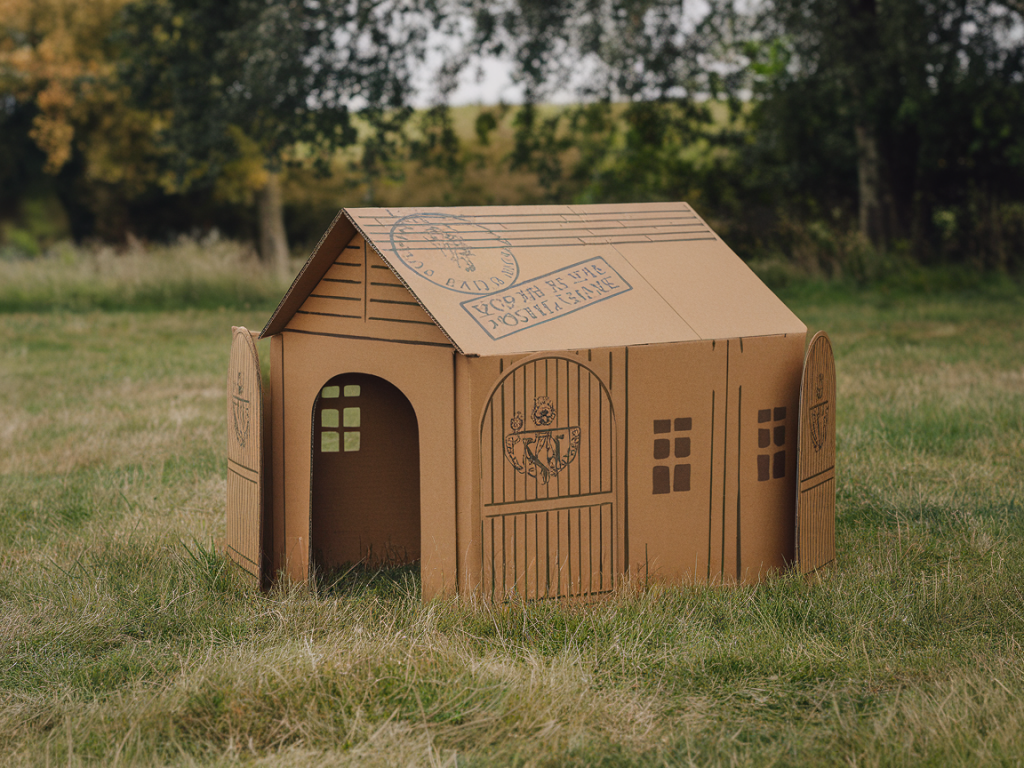
I love the idea of sending a tiny theater through the post — a little stage that opens flat in a recipient’s hands and pops up into a miniature scene. But if you’ve ever mailed a delicate folded object you know the post has other plans: stamping, crushing, damp edges, and the occasional gash from a sorting machine. I’ve learned to design fold-flat pop-up theaters that survive Royal Mail stamping and rough handling by thinking of the piece as both theatre and package: structure first, flourish second. Below I share the approaches, materials and testing routines I use so my mail-friendly mini-theaters arrive looking magical rather than mangled.
Start with a postal-friendly mindset
Before drafting your first tab or stage, pause and imagine the journey. Royal Mail (and most postal services) will stamp, bend and sometimes squeeze parcels. That means two things for design:
Keep critical elements away from edges: stamping and tears usually happen near the margins. Put your hinge lines and fragile pop-up mechanisms at least 10–15 mm in from each edge.Design for compression: the theater will be pressed flat — the internal mechanisms must nest cleanly when closed.Materials that actually survive the post
Choosing the right materials is half the battle. I favour a combination of strong substrates for structure and lighter papers for detail.
Cover stock (200–350 gsm): use a stiff board for the outer covers and for any stage backdrops that carry load. I often use 300 gsm Kraft or Bockingford board; it resists creasing and punctures.Folding panels (160–220 gsm): slightly lighter but still firm papers work well for the interior pop-up planes. They fold crisply and nest flat.Reinforcing tape: bookbinding or linen tape (10–20 mm) is great for strengthening hinge areas without being bulky.Adhesives: PVA glue (white glue) for long-lasting bonds; double-sided acrylic tape for instant tacks; glue sticks for quick paper-to-paper joins.Water-resistant finish: a light spray of archival matte fixative or a brush-on acrylic medium helps protect against moisture during transit.Structure: make the mechanism resist shear and crush
I design so the pop-up mechanism distributes forces instead of concentrating them on a single fragile tab. Key strategies:
Use layered supports: place a backing layer behind any fragile paper tabs. This spreads pressure from a stamp across a larger area.Fold-dovetail joints: where possible I use interlocking slots or dovetail tabs rather than thin glued tabs — they handle shear better if the glue fails.Low-profile springs and parallel folds: simple box folds, V-folds and parallelogram mechanisms are more robust than elaborate vertical stages. They fold flatter and have fewer exposed glue seams.Hinges and closures that survive repeated handling
Hinges take the most abuse. My favourite is a reinforced piano hinge: a long strip of cover stock or cloth tape that spans the entire fold.
Piano hinge: glue a 10–15 mm strip along the spine, scoring the board underneath to get a clean bend. This stops the spine threads from tearing and prevents over-folding.Floating stages: for multi-layer scenes, use small hidden tabs that allow layers to move a little independently. That flexibility absorbs shock.Protective packaging and postage considerations
Don’t rely on the envelope alone. I’ve sent many pop-up theaters successfully with these packing tricks:
Rigid mailers: use a board-backed rigid envelope (Royal Mail’s Large Letter or small parcel options) to prevent folding from the outside.Corner protectors: small card triangles glued to the inside corners protect the most vulnerable points from crushing.Wrap it in tissue or compostable plastic: a thin wrap prevents scuffing and absorbs minor moisture.Label placement: place postage and address labels on the outer rigid mailer, not on the artwork itself. Stamping directly on paper is the usual culprit for smudges and marks.Choose the right service: Royal Mail’s “Signed For” or “Tracked” options add handling predictability. For delicate pieces, a small packet service with clear “Do not bend” labelling helps, though it’s no guarantee.Visual tricks that hide wear
Even with solid engineering, some scuffs are inevitable. I design so marks become part of the aesthetic:
Printed borders and margins: purposeful borders hide minor edge wear. A 10–15 mm printed margin works wonders.Antique or distressed finishes: if the theater already looks slightly worn by design, postal blemishes feel intentional.Testing and iteration
I never send the first mock-up. My testing routine is simple but revealing:
Close-and-open test: fold the piece 50 times and look for weak joints.Compression test: stack a few heavy books on the closed theater for 24–48 hours to simulate sorting-machine pressure.Drop test: drop the parcel from waist height onto a wooden floor to mimic rough handling. Fix any areas where glue peels or folds crease badly.Stamp-scratch test: press a rubber stamp onto the envelope to see where printing and stamping might interfere with your design.Practical measurements and a simple template idea
Here’s a compact layout that I often adapt. It fits a standard Royal Mail Large Letter when folded:
| Closed size | 24 cm x 16.5 cm (fits Large Letter) |
| Cover board | 300 gsm, scored 12 mm in from spine for hinge |
| Internal stage depth | 4–35 mm depending on the number of layers; keep each layer < 8 mm thick to avoid bulking |
| Margin for stamping | 15 mm around the outside edge clear |
Start with a long rectangular cover (24 x 32 cm). Score down the centre for a piano hinge and plan your pop-up planes so their fold lines sit at least 15 mm away from the edges. Keep the active mechanisms within the central 18 x 12 cm to avoid postal damage.
Troubleshooting common failures
If the theater bends, strengthen the spine with a second internal hinge strip. If tabs tear after repeated opening, replace glued tabs with slot-and-tuck joins. If moisture frays inks, switch to pigment-based inks or add a matte fixative spray.
Designing for the post is a craft in itself: you want the theatrical surprise but you also have to be pragmatic. Protect the spine, distribute stress, favour simple mechanisms and test mercilessly. The joy of a pop-up that arrives intact — and then opens to charm — makes the extra care worth it every time.