Tutorials

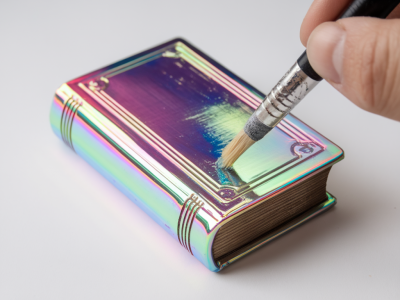
Quick tests to choose the right adhesive for paper, wood and fabric models

When I'm building a tiny paper automaton, a cardboard puppet or a fabric-wrapped wooden prop, the wrong glue can turn a playful afternoon into an exercise in frustration. Over the years I've learned to run a few quick tests before committing to a full build — they take five to ten minutes, use scraps, and save me a lot of rework. Below I share the straightforward checks I use to choose the right adhesive for models made from paper, wood and...

Read more...

How to write a three-panel visual fable that teaches a craft technique

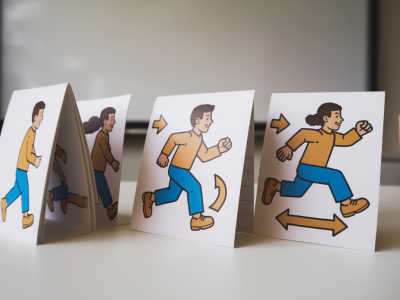
I love telling very small stories that do double duty: they charm the viewer and quietly teach a making technique. A three-panel visual fable is perfect for that. It’s short enough to keep a single, satisfying narrative beat but long enough to show a process — a single craft gesture, a material trick or a simple sequence of steps. Below I’ll share how I design these pieces, from the seed of an idea to thumbnail sketches, visual pacing and...

Read more...

A stepwise method to turn found objects into coherent sculptural narratives

I love the way ordinary things carry invisible stories: a chipped porcelain button, a length of brass tubing, a toy soldier missing an arm. Turning these found fragments into a sculptural narrative is one of my favorite creative games. It’s equal parts detective work, collage and small-stage theatre. Below I share a practical, stepwise method I use to take disparate objects from a junk drawer (or a market stall) and assemble them into pieces...

Read more...

How to adapt a studio tutorial for a classroom of mixed-age makers

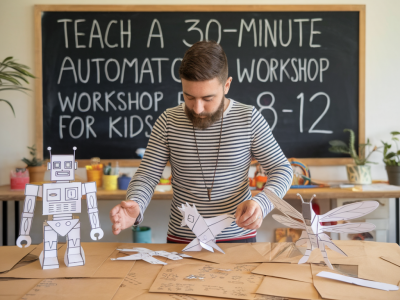
I often get asked how to translate a studio tutorial—one that I designed for a quiet, curious afternoon in my own workspace—into something that works for a classroom full of makers ranging from seven to seventeen. Over the years of running workshops and teaching mixed-age groups, I’ve learned that what makes a project sing in a classroom isn’t just the idea itself but the scaffolding: clear steps, flexible materials, simple...

Read more...

Three color-mixing tricks painters use to make small pieces read like big paintings

I love making small paintings that feel expansive — pieces that, at arm’s length, glow with the same presence you’d expect from a larger canvas. There’s a little sleight-of-hand to it: you don’t need more surface area to create depth, light and drama. You need a few deliberate color-mixing strategies that read big. Below are three tricks I return to again and again. Each is practical, tactile and forgiving — and all of them work...

Read more...

Five ways to coax wonder from failed experiments and turn them into projects

I have a soft spot for experiments that misbehave. There’s a distinct kind of magic that comes out of a failed attempt — a smudge that looks like a map, a torn edge that suggests a silhouette, a mechanism that squeaks in a way that feels charming rather than broken. Over the years I’ve learned to listen to those accidents and coax them into new projects. Here are five approaches I use to turn failures into sources of wonder. They’re...

Read more...

How to storyboard a one-minute visual story that fits on a postcard

I love the challenge of telling a whole tiny story in a very small space — a single-minute sequence that still manages to surprise, amuse or linger. Over the years I’ve turned many of these micro-narratives into postcards: compact, tactile objects that can be mailed, pinned to a wall or slipped into a sketchbook. Below I’ll walk you through how I storyboard a one-minute visual story that fits on a postcard — from initial idea to...

Read more...

Turn a single sheet of paper into a pop-up scene in under 20 minutes

I love small, quick projects that still feel like miniature acts of magic. This pop-up scene uses a single sheet of paper and can be made in under 20 minutes — perfect for an afternoon break, a handmade note, or a tiny theatrical surprise tucked into a card. You don’t need fancy tools: just a sheet of paper, a pair of scissors or craft knife, a ruler, and a little patience. Below I’ll walk you through my favourite simple structure, explain...

Read more...

How to photograph reflective miniatures without glare using simple modifiers

I love photographing small, reflective objects — tiny painted metal robots, glossy ceramic miniatures, varnished paper dioramas — because they sit right at the intersection of craft, light and illusion. But glare and nasty reflections can quickly kill the magic. Over the years I’ve developed a handful of simple, repeatable techniques using inexpensive modifiers and a little patience. Here’s how I approach reflective miniatures so you get...

Read more...