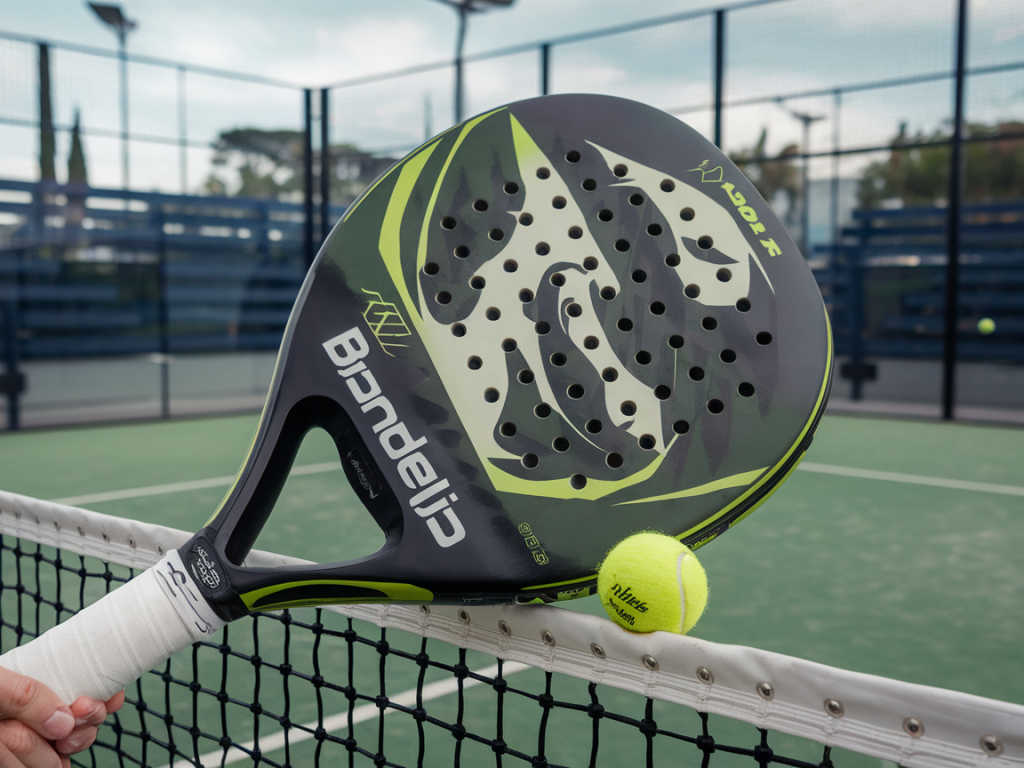
I love the small discoveries that happen when you stop to look closely: a brushstroke that becomes a character, a tucked-away tool that solves a problem. Buying a padel racket can feel a little like that—an invitation to experiment, to try shapes, balances and textures until one of them clicks with your game. If you’re hunting for a padel racket sale that actually feels like an upgrade, I want to walk you through what matters, how to choose, and why Bandeja Shop is a place I trust for thoughtful, expert-led shopping.
Why a padel racket sale is the perfect moment to rethink your gear
Sales are not just about price. For me, they’re a nudge to reassess: what’s working in my game, what’s not, and what kind of racket would actually help me play with more joy. During a good sale you can step up to a higher-quality racket—Bullpadel, Nox, Head, Adidas, Wilson, Siux, Babolat—without the sticker shock. That means better balance, more consistent foam, refined sweet spots, and often a more durable frame.
Shapes, play styles and the decision that matters most
Padel rackets are organized by shape—round, teardrop, diamond—and each shape answers a different set of needs. I treat the choice like choosing a tool in the studio: what do I want to make, and what tool will help the process feel easier?
When I demo a racket, I pay attention to three things: balance (how the head feels during swings), feel (the feedback from the core and surface), and weight distribution (do I tire quickly?). Those are the same instincts I use when trying out a new material in the studio—listen, tweak, repeat.
How to read specs without getting lost
Manufacturers publish specs—weight, balance, core density, surface roughness—and they can look intimidating. Here’s how I translate them into practical decisions:
Brands and models I keep returning to
Some brands feel like familiar studios—consistent, refined, with signature characters. Bullpadel and Nox often strike a nice balance between innovation and playability; Head and Adidas push tech-forward shapes; Wilson and Babolat bring racquet heritage into padel ergonomics; Siux leans toward aggressive power models. During sales I watch for last-season pro models: the tech is often the same but the price is kinder.
| Brand | Typical Strength | Who it suits |
|---|---|---|
| Bullpadel | Comfort + innovative frame tech | All-rounders, club players |
| Nox | Control + pro-feel | Players who value touch and accuracy |
| Head | Power with modern materials | Aggressive hitters and advanced players |
| Adidas | Balanced tech and comfort | Versatile players, those upgrading |
How I test a racket (and what I tell readers to try)
When I step into Bandeja Shop’s Vallauris flagship or test rackets in a rental, I bring a checklist—like a small creative brief for the racket. Here’s my testing routine:
I always ask the staff for a side-by-side of two models with similar specs. It’s amazing how small differences in edge construction or foam mix change everything. Bandeja Shop’s experts are helpful at this stage—they’ll recommend round experiments for control-focused players, or nudge you toward a teardrop if you’re trying to keep options open.
Buying on sale: the smart checklist
Here’s the short list I follow when snapping up a racket during a sale:
Why expert advice still matters in a discount hunt
Discounts can make you impulsive. I try to treat a purchase like a small project: plan, test, decide. Bandeja Shop’s team acts like a knowledgeable collaborator—someone who asks about your playing rhythm, injury history, and what you love about your current racket. Their Webzine is also full of buying guides and tutorials that help demystify specs and techniques before you choose.
Shipping, returns and E-Club perks
There’s a practical side to sales: will the racket get to you quickly and can you try it risk-free? Bandeja Shop offers fast international shipping and a 30-day returns window, which removes a lot of the anxiety of buying sight-unseen. Joining the E-Club Bandeja during a sale often yields loyalty discounts, early access to new collections, and exclusive promotions—little treasures that compound the savings.
My favorite small touches that make a sale meaningful
Beyond price, there are details that make a sale purchase feel like a small delight. For me that’s a well-padded racket bag included in a bundle, expert-fitting advice, or a staff recommendation that introduces me to an unexpected model. In the studio those small delights are the secret to turning an experiment into something lasting; on the court, they make practice more joyful.
If you’re planning to hunt for a padel racket during a sale, take a breath, make a list of what you want to improve, and give yourself time to test. A great purchase is one that quietly changes how you play—more confidence, less strain, and a little more room for creativity. And if you want a place that blends product knowledge with personal advice, Bandeja Shop’s mix of expert staff, physical testing space in Vallauris, and online resources is a reassuring place to start your search.