Quick tests to choose the right adhesive for paper, wood and fabric models

When I'm building a tiny paper automaton, a cardboard puppet or a fabric-wrapped wooden prop, the wrong glue can turn a playful afternoon into an exercise in frustration. Over the years I've learned to run a few quick tests before committing to a full build — they take five to ten minutes, use scraps, and save me a lot of rework. Below I share the straightforward checks I use to choose the right adhesive for models made from paper, wood and fabric.Why quick tests matterAdhesives behave...

Read more...

Quick tests to choose the right adhesive for paper, wood and fabric models
DIY Projects

How to make convincing patina on paper and cardboard for aged props

02/12/2025

I love the way a well-made prop can tell a story before anyone reads a single word. A sun-faded book cover, a box with flaking paint, or a faded...

Read more...
How to make convincing patina on paper and cardboard for aged props
Behind-the-Scenes

Behind the scenes: how I plan a mini exhibition in a single shoebox

02/12/2025

I like small challenges. They force you to make decisions quickly, to invent constraints that sharpen rather than limit, and to find delight in tiny...

Read more...
Behind the scenes: how I plan a mini exhibition in a single shoebox

Latest News from Maxthemagician Co

Five inexpensive tools that will transform your collage work (and how to use them)

I used to think collage was just cutting and sticking — a happy mess of paper and glue. Over the years I’ve learned that a handful of small, inexpensive tools can quietly transform that mess into something much more deliberate and, yes, a little magical. These are the tools I reach for in the studio when I want tidy edges, crisp folds, and layered surfaces that sit exactly where I imagine them. They don’t cost much, but they change how you...

Read more...

Step-by-step: build a magic picture frame that reveals a hidden illustration

I love a small, tactile trick — something that makes a viewer pause and tilt their head, then smile when the hidden thing is revealed. This project is one of my favourites for that exact reason: a magic picture frame that looks like a normal framed picture until you slide a hidden panel and an illustration appears or changes. It’s simple, playful, and uses humble materials like card, lightweight wood or store-bought frames, and a little...

Read more...

A beginner's guide to making a disappearing ink effect with household materials

I love little tricks that feel like small, domestic miracles: a message that appears and vanishes, an ink that fades like a ghost. Disappearing ink effects are perfect for that — they’re cheap, safe (when done sensibly) and wonderfully theatrical. In this piece I’ll show you how to make a disappearing ink using common household materials, explain the science behind it, and give ideas for playful projects you can try right away.What is...

Read more...

Recreating the look of vintage lithography with inkjet and hand distressing

I’ve always been drawn to the slightly imperfect, inky warmth of vintage lithographs — the ghostly registration shifts, the subtle halftone screens, and the way colours sit on the paper like old memories. Recreating that look using a modern inkjet printer and a bit of hand distressing is one of my favourite studio exercises. It’s equal parts design, printcraft and playful abrasion, and it transforms digital images into tactile, timeworn...

Read more...

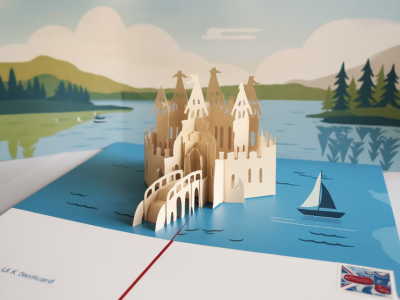
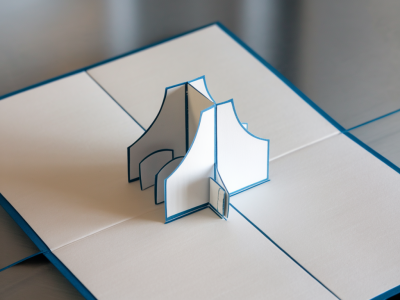
Turn a single sheet of paper into a pop-up scene in under 20 minutes

I love small, quick projects that still feel like miniature acts of magic. This pop-up scene uses a single sheet of paper and can be made in under 20 minutes — perfect for an afternoon break, a handmade note, or a tiny theatrical surprise tucked into a card. You don’t need fancy tools: just a sheet of paper, a pair of scissors or craft knife, a ruler, and a little patience. Below I’ll walk you through my favourite simple structure, explain...

Read more...

How to photograph reflective miniatures without glare using simple modifiers

I love photographing small, reflective objects — tiny painted metal robots, glossy ceramic miniatures, varnished paper dioramas — because they sit right at the intersection of craft, light and illusion. But glare and nasty reflections can quickly kill the magic. Over the years I’ve developed a handful of simple, repeatable techniques using inexpensive modifiers and a little patience. Here’s how I approach reflective miniatures so you get...

Read more...

How to fake depth in tiny sculptures using painted shadows and foamcore

I love the tiny, quiet moments when a small object suddenly seems larger than life. Over the years I’ve learned a handful of tricks to make miniature sculptures read as deeper and more three-dimensional than their actual thickness — and one of my favourite combinations is painted shadow with foamcore layers. It’s an inexpensive, fast way to fake depth that works for whimsical characters, diorama nooks, and tiny stage-like scenes. Below...

Read more...